Popular eSIM destinations
Rated Excellent by users Worldwide


Reviews temporarily unavailable
Please check back later for customer reviews


Currency : USD











MobiMatter brings the best eSIM products from telecom operators under one roof










How it works
Check Help & FAQs to see if your device supports eSIM
Choose destination & package
MobiMatter offers eSIM packages for 190+ countries

Install eSIM
Instantly get your eSIM and configure it in your eSIM compatible device

Enjoy high speed connectivity
Once eSIM is configured, you can enjoy high speed roaming data connectivity
Supercharge your eSIM experience
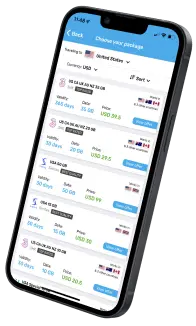
Download our app


Recent travel tips and guides
Jun 12, 2026 — 16 min read
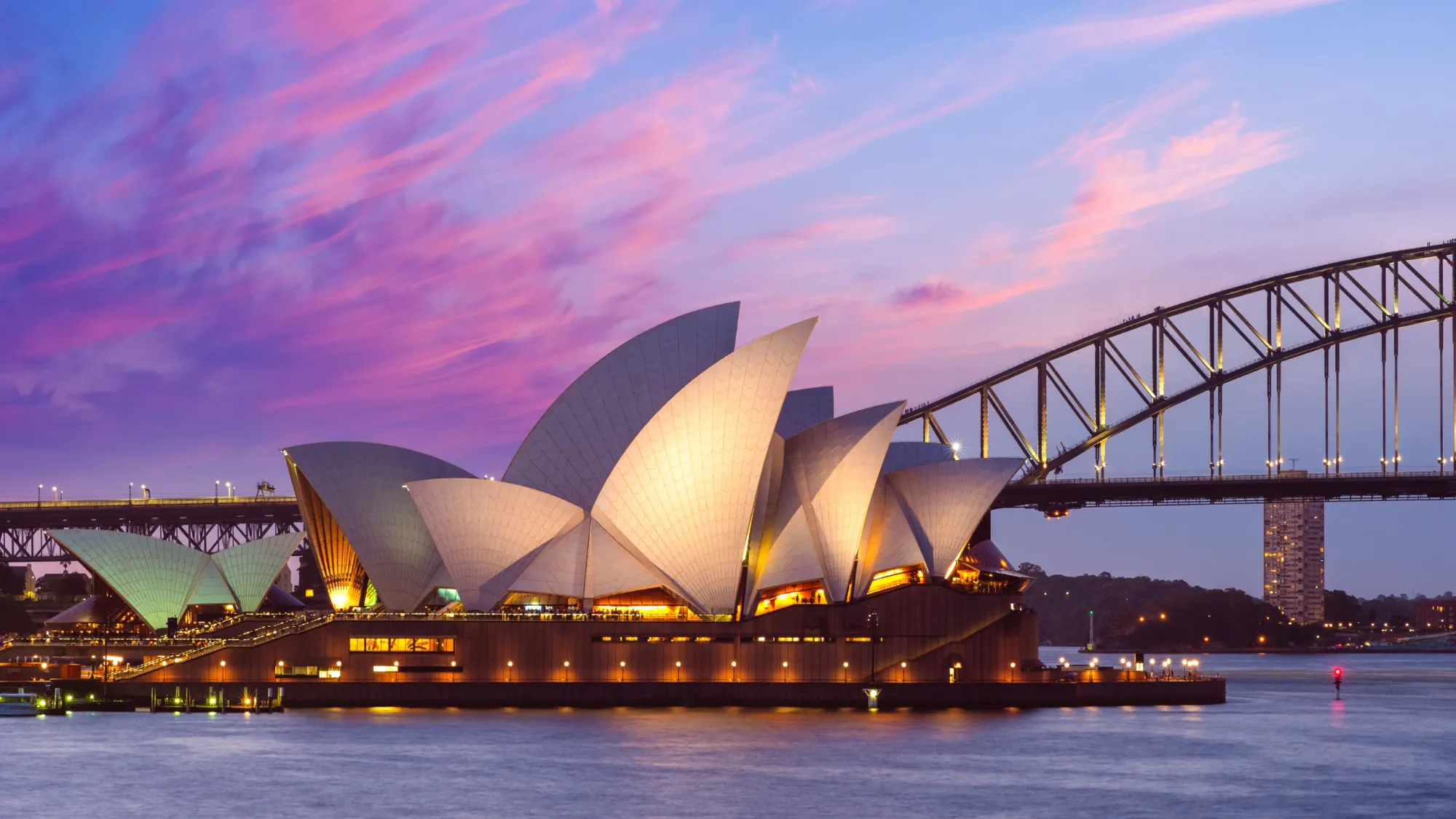
Top 27 Places to Visit in Australia for July and August
Australia in July and August offers some of the most rewarding travel experiences in the Southern Hemisphere, with dry season conditions across the north, crisp winter weather in the south, and world-class wildlife encounters throughout. This guide covers the 27 best places to visit in Australia during these months, with practical tips on connectivity, travel planning, and what each destination does best. According to Tourism Australia, the country welcomes over 9 million international visitors...
Read more

Jun 10, 2026 — 8 min read
Multi-City FIFA World Cup Trip: Mexico City to New York in 39 Days
The 2026 FIFA World Cup spans three countries across 39 days. Fans following their team from Mexico City through Canada into the USA knockouts face one shared nightmare: losing mobile data every time they cross a border. One Mobimatter North America regional eSIM covers the entire journey in a single QR scan, from the Mexico City opener on June 11 to the MetLife Stadium Final on July 19. Quick Stats Before You Pack * 48 teams. 104 matches. 3 countries. 16 host cities. * The tournament runs...
Read more

Jun 9, 2026 — 10 min read
Lights over the Harbour: Your Complete Vivid Sydney 2026 Guide
Vivid Sydney 2026 runs 22 May to 13 June across 23 nights. The free 6.5km Light Walk covers 43 installations from Circular Quay to Darling Harbour. Best photography spots are the Opera House foreshore, Cahill Walkway, and Barangaroo waterfront. International travelers need reliable mobile data for remote shutter apps and instant uploads. A MobiMatter Australia eSIM is the most affordable way to stay connected throughout the festival without roaming fees. Introduction: Australia's Biggest Festi...
Read more
Why MobiMatter eSIM Marketplace?

Instant delivery & ready to use

Best value for money

Global coverage